Meaningful, Authentic Discussion
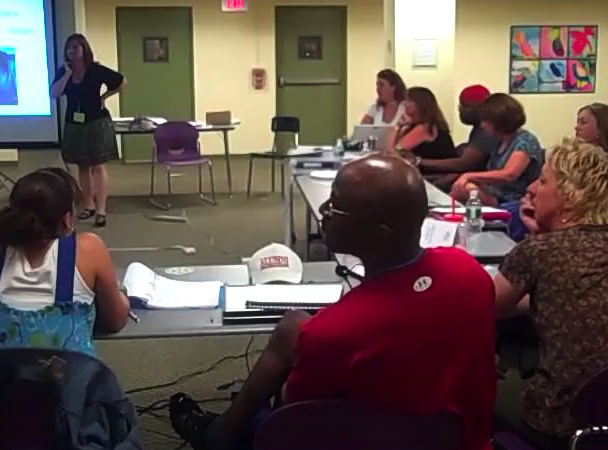 It is at the heart of all rich learning. To explore media issues in an authentic way, students need to feel "safe" in sharing their genuine pleasures and dissatisfactions with media and technology. Students are aware that adults and teachers use the Internet differently than they do, watch different kinds of TV shows, and read different magazines. Students may have expectations about how teachers will respond to their technology & media use - some students fear that teachers will demean or trivialize their interests. Discussion-based learning occurs when teachers create a respectful learning environment where students can feel simultaneously safe and challenged. Effective teachers support this by providing a balance of both support for student ideas and observations and challenging questions that provide insight on the processes of interpreting media messages. This blend of support and challenge helps deepen the quality of the classroom conversation.
Strengthening Reading Comprehension & Critical Thinking
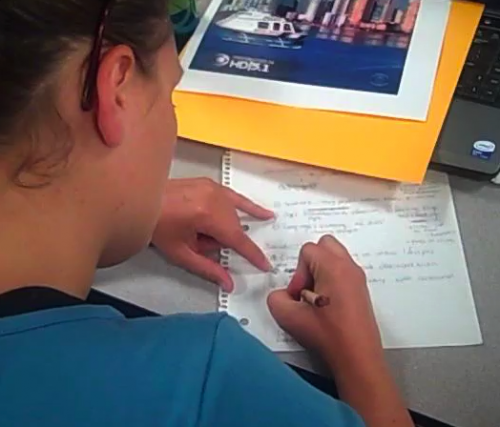 Media literacy is literacy. As an expanded conceptualization of literacy, media literacy education should support and strengthen reading comprehension, analysis, writing composition and critical thinking skills. Media literacy activities make usre of the practices of reading, discussing, interviewing, debating, role-playing, dramatic performance, active listening, and public speaking. By examining patterns of representation, students identify various points of view of web designers, writers, filmmakers, journalists and photographers. By studying the codes and conventions of a wide range of media genres, teachers can strengthen cognitive visualization and meta-analytic skills that are so important for young readers.
Using Media & Technology Tools to Create Messages
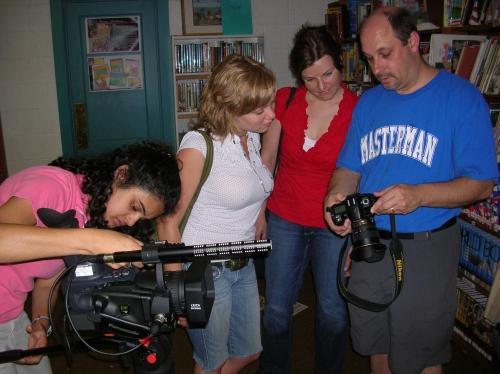
Media literacy is more than just analyzing media messages - it's learning to create them as well. When learning is authentic, students are involved in creating complex real-world media messages. Using a wide various of creative communication projects (using tools including digital or film cameras, graphic design software, video cameras, and publishing software), students design, create and send media messages to real audiences. Well-structured activities with clear learning objectives and evaluation rubrics help students strengthen critical thinking, problem-solving, research and communication skills. Media production activities help learners demonstrate cross-disciplinary connections between their learning in various subject areas.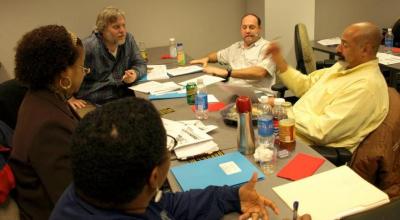
Collaborative, Hands-On Learning
Activities that involve people sharing ideas maximize the learning experience. Role-playing and simulation activities can help students imagine point of view, develop imagination and creativity in problem-solving, and strengthen communication skills. Different learning styles can be activated by serving as photographers, time-management coordinators, researchers, writers, proofreaders, and producers. Listening skills strengthen when students work collaboratively. But most important are opportunities for students to engage in dialogues that promote mutual understanding, responsibility, trust, and respect.