 What happens when journalism operates in a deeply politicized media environment and how can media literacy help?
Media Literacy in Kurdistan: A Five-Year Plan, a recent report by Kurdish and U.S. academics and journalists takes a close look at the media landscape in Iraqi Kurdistan and offers a five-year plan to strengthen journalism and media literacy. The findings may sound familiar.
In Iraqi Kurdistan, the media ecosystem is highly politicized. Two dominant political parties shape both governance and media ownership, resulting in outlets that largely reflect party interests. The result is a fragmented information environment, divided along ideological and territorial lines.
Independent journalists often face political pressure, harassment, and threats, making journalism an unattractive and risky career path. At the same time, social media has given rise to citizen journalists who bypass traditional outlets to report on corruption, economic hardship, and human rights abuses. While this expands access to information, it also raises serious concerns about credibility, safety, and prosecution for these individuals.
Past efforts focused on retraining journalists in investigative reporting but often ignored the realities of working in such a politicized system. This report takes a different approach by starting earlier: with educators who are training the next generation of journalists.
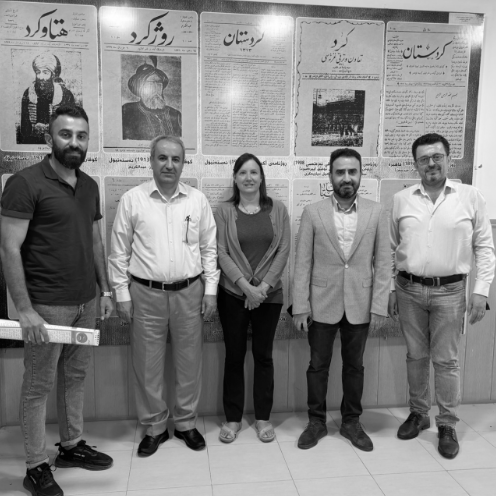
Researchers conducted site visits at seven universities and polytechnic schools across Kurdistan. Educators consistently called for a shift away from skills-only journalism training toward a broader, more inclusive media literacy model that reaches beyond journalism students and into the wider public.
The result is a five-year plan built on four pillars:
- Local support: Train and empower local educators
- Holistic support: Involve journalists, academics, and media professionals
- Continued support: Embed media literacy across K–16 education
- Societal support: Promote media literacy through social media and policy advocacy
This plan isn’t just relevant to Kurdistan. It raises important questions for all of us about how media systems function, who controls them, and how education can strengthen democratic participation.
- What parallels do you see between this media environment and your own country’s political and media landscape?
Where do you think media literacy education can make the biggest impact?
Join the conversation and explore more of our work on media literacy, journalism, and civic engagement.
Comments(0)