Music, Technology, and Open Exploration
Written by Sarah Eckerstorfer
A Case Study | MediaEd Insights | Music Education Edition | March 2026
For the past four years, I have worked as an after school program coordinator at a technology center in North Minneapolis. The space was developed with the intention to connect youth to technology that they may not usually have access to, such as 3D printers, a professional recording studio, sewing machines, and so much more. Through this access, the hope is that youth are exposed to careers in the field of STEM (science, technology, engineering, and math), thus opening the doors and preparing them to be leaders of the workforce of tomorrow. Yet, providing access to these tools is just one small part of preparing them for their future careers.
As our program operates as an open exploration program, I spend my days learning how to operate various tech and software in order to develop curriculum so that young people can freely use the equipment. Through 1:1 mentorship, workshops, and peer to peer learning, they develop skills on their own terms, discovering what they are passionate about and honing in on their specific interest. We push them to be more involved in their media consumption by becoming producers, rather than strict consumers, of media. This approach allows our students to be more mindful of what they encounter online and develop an understanding of how it was produced. As we discuss the role music and pop culture plays in education, I believe that our space provides a microcosm of how a creative ecoscape can impact the community in a multitude of ways.
The Teen Tech Center is housed in The Capri Theater, a historically Black theater in North Minneapolis. It is known as the site of Prince’s first professional show and has long been a gathering place for community m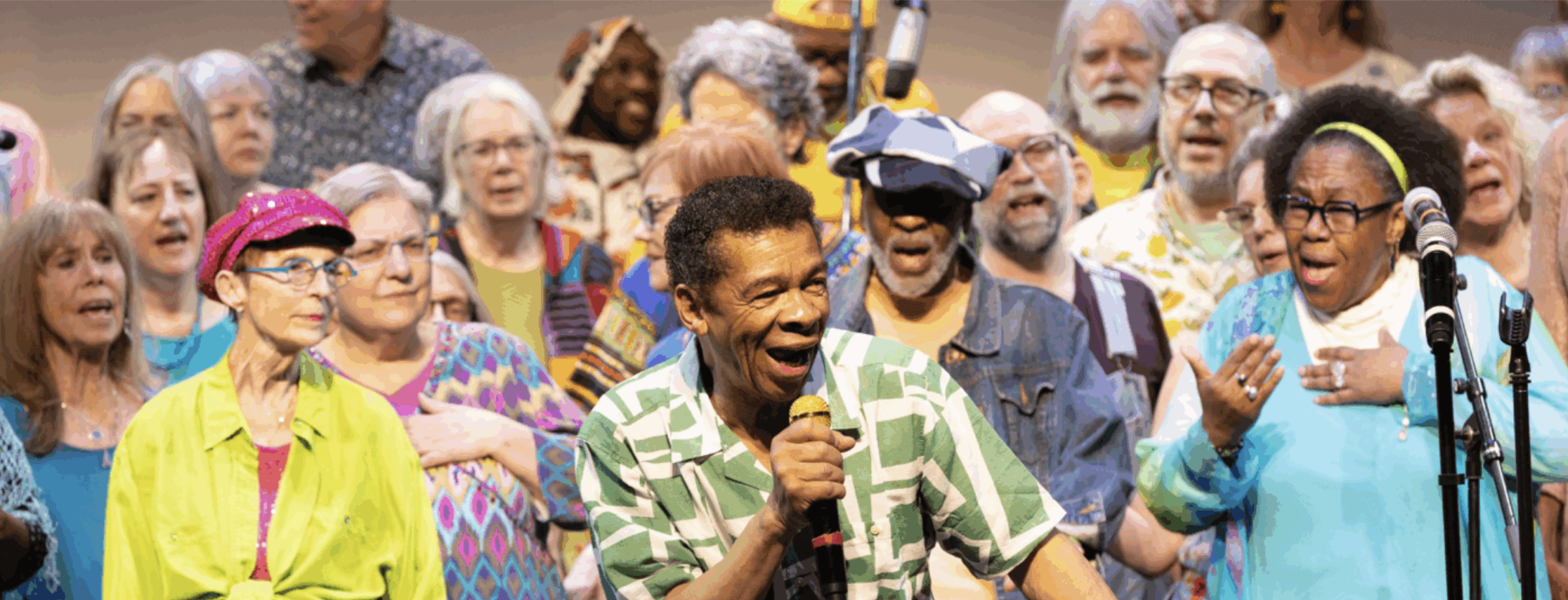 embers. Every Tuesday and Saturday, singers meet in the theater space under the direction of brothers JD and Fred Steele to sing together, with or without any amount of talent, skill, or training. Participants do not have to audition to join the choir, as the goal is to make the space as accessible as possible. There is no sheet music, no lyric sheets, and all songs are learned through a call and response practice.
In talking with JD, he mentioned that he talks with other choir directors and has them send over any person that they reject–to join his group. In my observation of the choir practice, the spirit of inclusion was evident in the pure joy that members emanated. It was clear that there was a deep sense of comradery and love they had for one another and for the Steele brothers. The members of the choir did not hesitate to ask questions when they were confused and were very receptive to any critiques that were offered. The approachability of this practice made it so that members were drawn into the music. Often, when there is competition surrounding community choirs, it can feel like a hostile place, but being so clearly integrated into the community, it became a place to learn and develop skills without fear of judgement.
As I prepared to talk with JD, a past interview he conducted with MPR stood out to me. In it, he talked of music being transcendent in its ability to bring joy, peace, and a sense of understanding of others. When we listen to music, whether it be pop, jazz, or gospel, we are getting a sense of the person that wrote the music. We are able to develop empathy for the person producing the music, because we can understand the actions that took place to bring them to that point of music. Through music, we can also understand the history of people. Take blues for example; during the Reconstruction period following the American Civil War, freed slaves used music to express their anguish as they faced violent acts by lynching mobs and Jim Crow laws. Like the Steeles’ community choir, this music was passed through generations through call and response singing, bringing with it the history of those that first sang the song. Blues has greatly informed modern day music. We can see it in the vocal runs of Beyonce, the rhythm of rap and hip-hop, and the guitar riffs throughout rock music. Ryan Coogler represented this perfectly in the movie Sinners in a scene where one of the main characters, Sammie, sings to the crowd and ignites spirits of past and present music onto the floor. This powerful moment showcased the influence Blues has had on the evolution of modern day music, as well as display the demonization that Black artists continually face through their art.
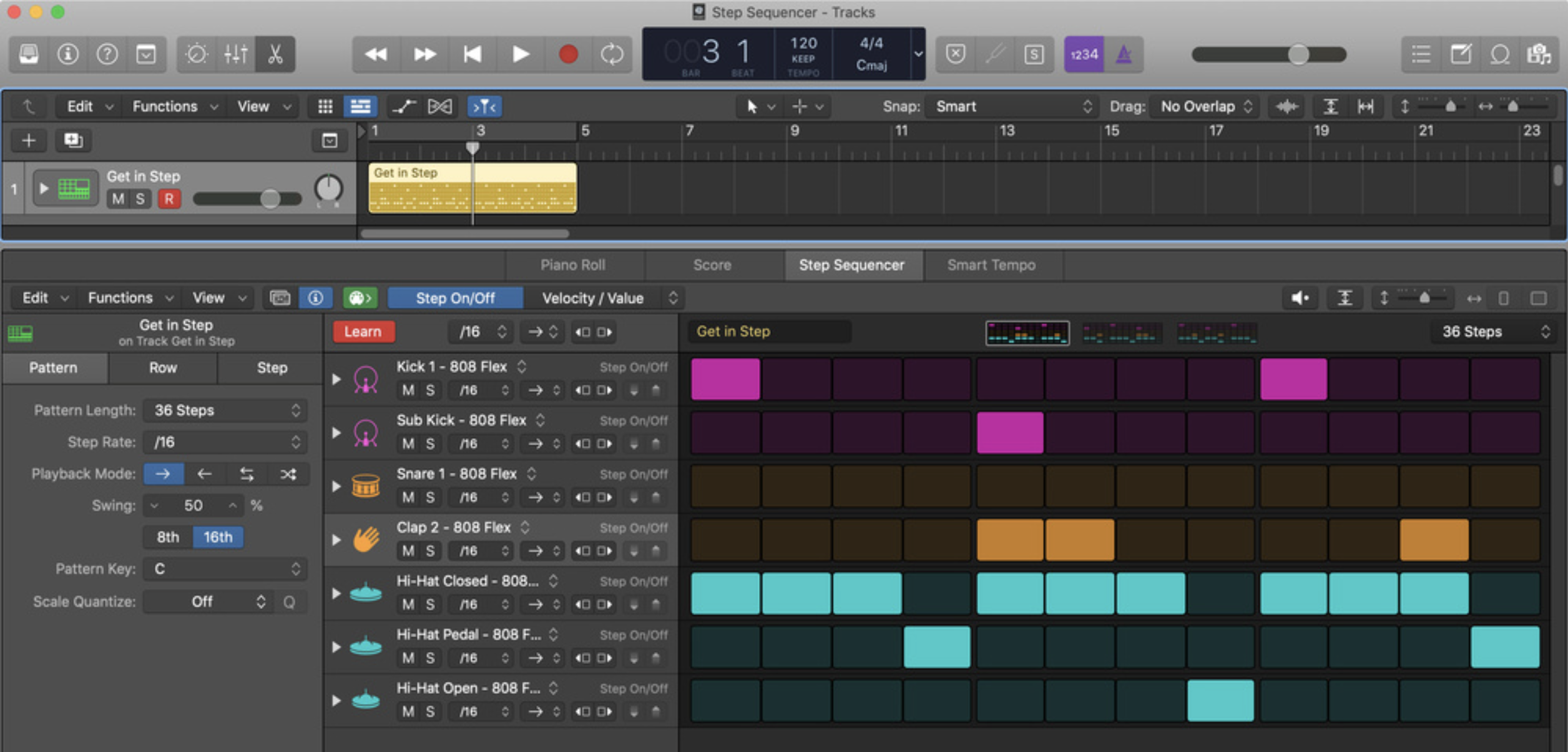 In the Teen Tech Center, we utilize our technology for students to begin learning how to produce their own music in our recording studio space. We introduce them to what it means to produce a beat, write original lyrics, and release their songs on public platforms. Through the open exploration model, they learn professional grade software such as Abelton, Protools and Logic Pro to develop their own sound. For example, in Logic Pro, users can select a virtual instrument and create a step sequence by freely selecting which beat each instrument plays on, as shown in this YouTube Short. It is a very simple and fast way for youth to develop original sounds and learn about musicality. Through this process, students develop an understanding of how to collaborate with others, manage their time, and how to write lyrics that define and solidify a sense of self.
As students learn the software and become proficient in the skills of production development, we hope that they begin to teach incoming youth the same skills. We are still growing the program and hope to integrate the tools we learn from other educators into the space. We have seen firsthand how music education has on young people and adults alike. Whether they are listening, singing in groups, producing something of their own, music leads to a sense of identity, community, and belonging, all of which build resilience in the face of adversity.
MediaEd Insights - March 2026 - Music Education
Opening Essay: Why Music Matters by Catherine Morris
Case Study: Making Space: The Evolving Mixtape in Romania by David Gracon
Case Study: Rock ’n’ Roll Camp for Girls: An Excerpt from "Sun Shining on Morning Snow" by Ingrid Hu Dahl
Case Study: Music, Technology, and Open Exploration by Sarah Eckerstorfer
Book Review: Spotify: Marketing "Mood" Over "Music" by Joe Rubin
Pre-recorded Webinar: In Our Media Literacy Era: Fandom, Politics, and the Power of Critical Support with foreword by Olivia Richard
Comments(0)