Spotify: Marketing "Mood" Over "Music"
Written by Joe Rubin
A Book Review | MediaEd Insights | Music Education Edition | March 2026
 As a 3rd generation hobby musician in my family, I am extremely fortunate that my own kids accepted their pre-determined role as the 4th. Unfortunately, after fully embracing my instruments, taste and passion, the “pinch-me” euphoria of this outcome became tainted for me as they grew older. One day, they came home from school to report, “Not one of my friends has any idea what I am talking about in regards to music.” What had I done? Is Led Zeppelin or even the Red Hot Chili Peppers now “Dad music?” My dad wasn’t telling me what was new and cool. I was telling him. Something isn’t right.
All of this can be qualified a bit, of course. There is plenty of new music and artistry to be passionate about - just no music industry to support it (spoiler alert). To me, the first major ripple effect of that collapse came in the form of American Idol. For starters, the diminished attention and value of instrumentation in music - a core focus for many, many Gen-X
music fans (just ask my fellow cult Rush fan contemporaries) couldn’t have been less subtle. 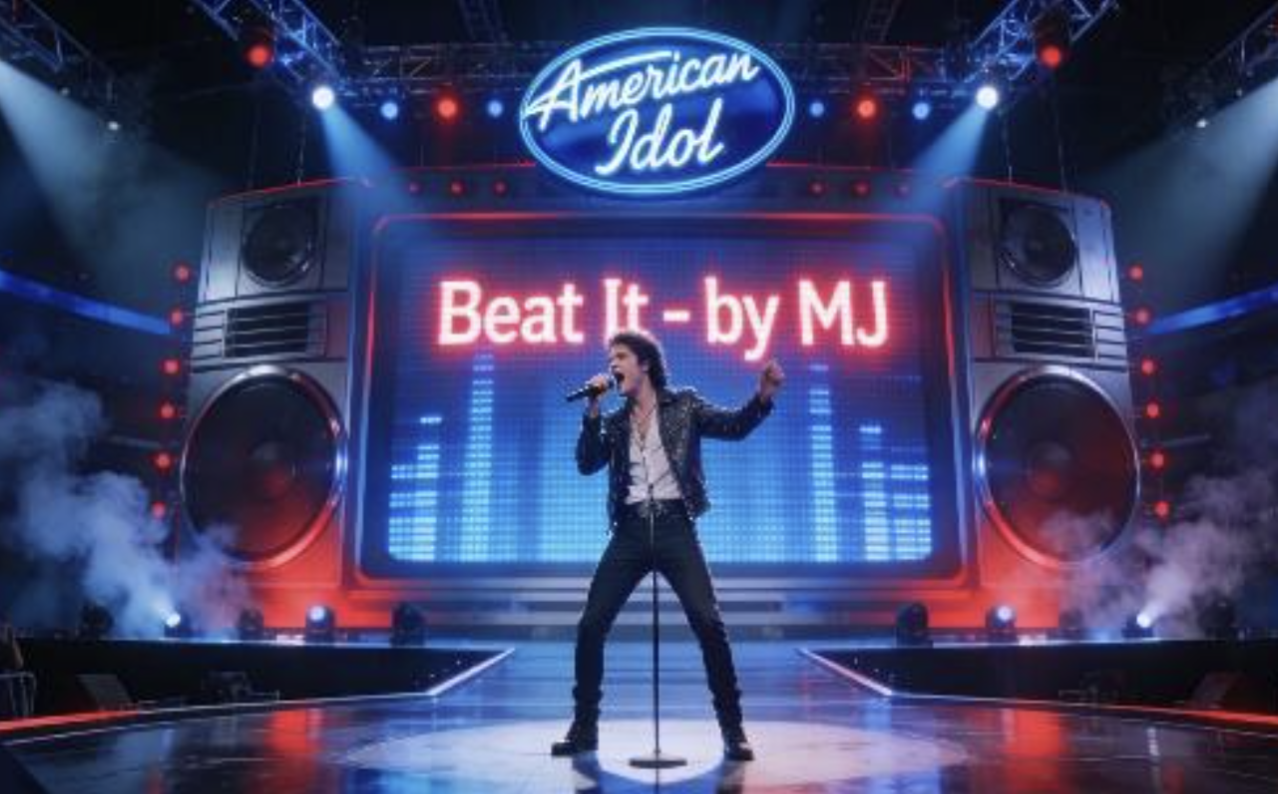 American Idol culture, especially from a media literacy standpoint, was a large-scale karaoke night, packaged within the prevalent reality TV construct, magnifying the personal storylines of the contestants for television.
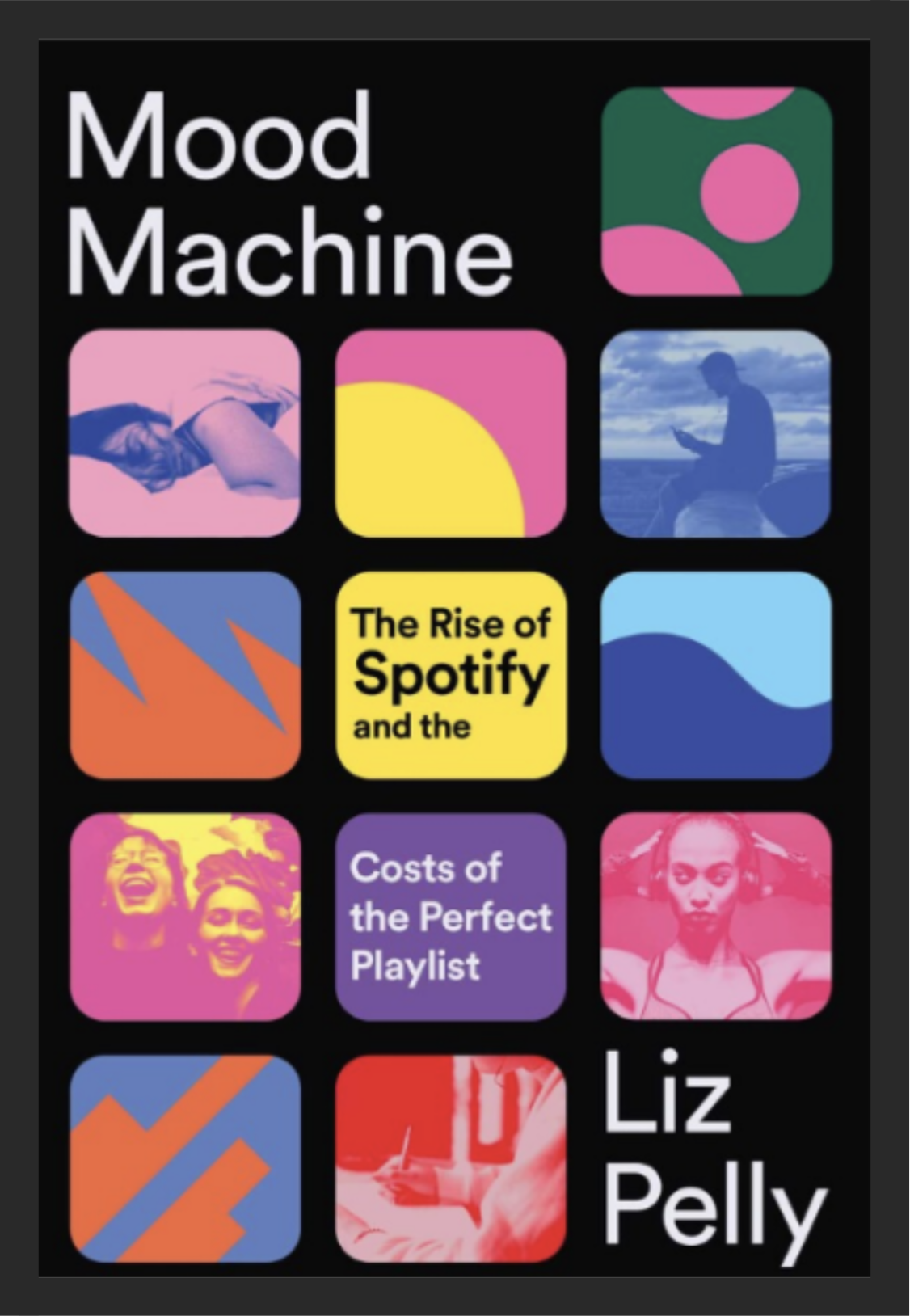
Smash cut 20 years to the revelations made in Mood Machine: The Rise of Spotify and the Costs of the Perfect Playlist. In the book, Author Liz Pelly gives us a glimpse of the most popular form of commercial music distribution today and the economic motivation that continues to shape it. The revelations Pelly uncovers signify, to me, another industry economic makeover that has piggy-backed on the American Idol movement to encourage a new generation to pay less attention to musicianship, artistry and even artists themselves.
As a core revelation for the book, she argues the platform has transformed music into data-driven “mood management,” harming artists, listeners, and culture in the process. She sees Spotify as a financial and advertising infrastructure that treats songs as data points used to extract value from two sides: listeners (who pay with money and behavioral data) and musician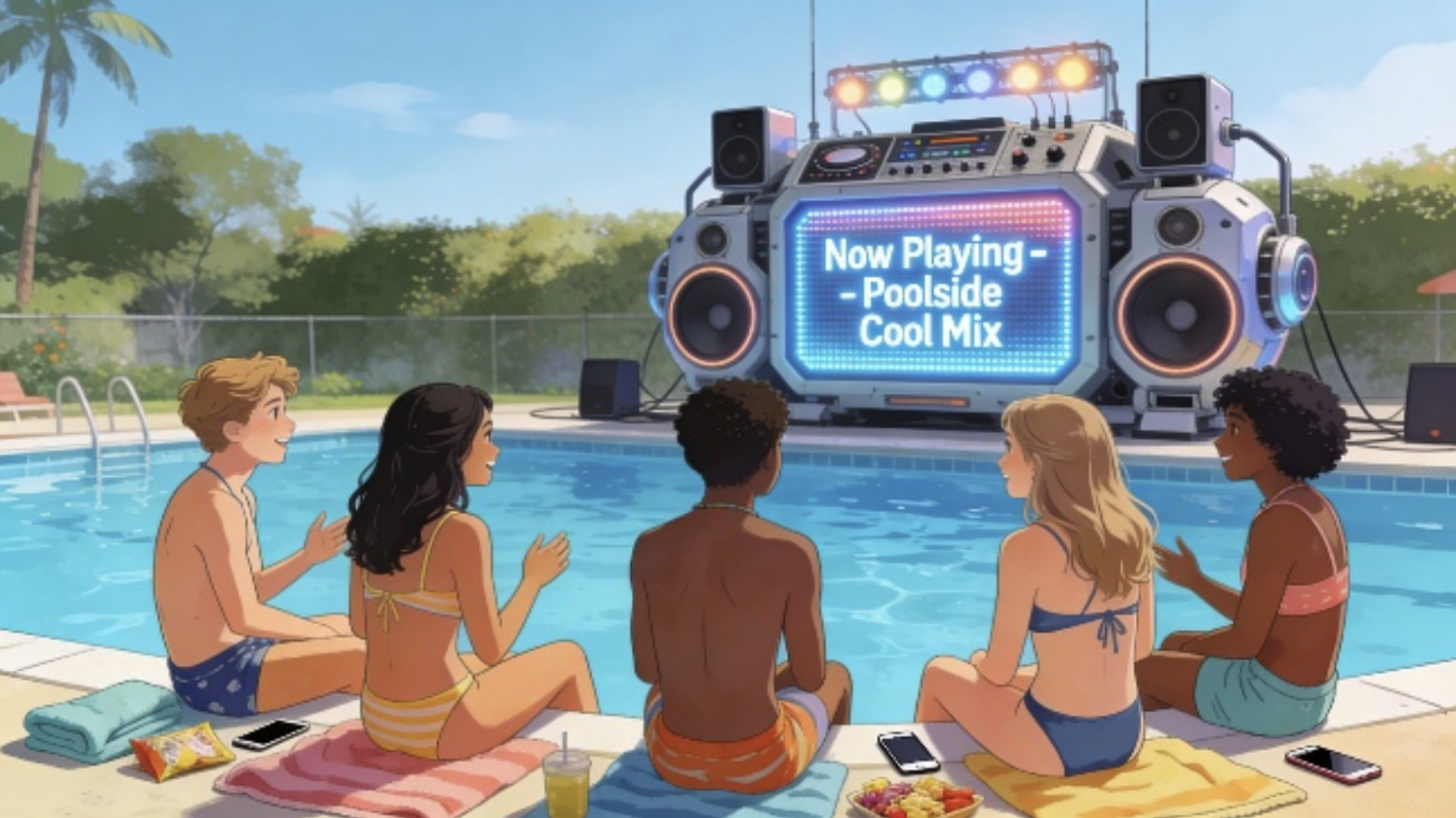 s (who supply the raw material of the catalog). She frames Spotify as an “unprecedented wealth extraction machine” that has flattened music into metadata and engagement metrics, reshaping what gets made, how it sounds, and how we experience it.
Pelly also explores more controversial practices around playlists, including what critics call “ghost artists” and various forms of pay-for-play. She describes how anonymous or pseudonymous tracks—often cheaply produced ambient or instrumental pieces—populate mood playlists, generating massive streams while saving Spotify money on licensing compared with tracks from recognizable artists.
I read this book along with other current (and I believe essential) cyberworld economy books such as Cory Doctorow’s Enshittification and Shoshana Zuboff’s Age of Surveillance Capitalism, which both introduce core concepts that completely embody the trajectory of Spotify. Just like the 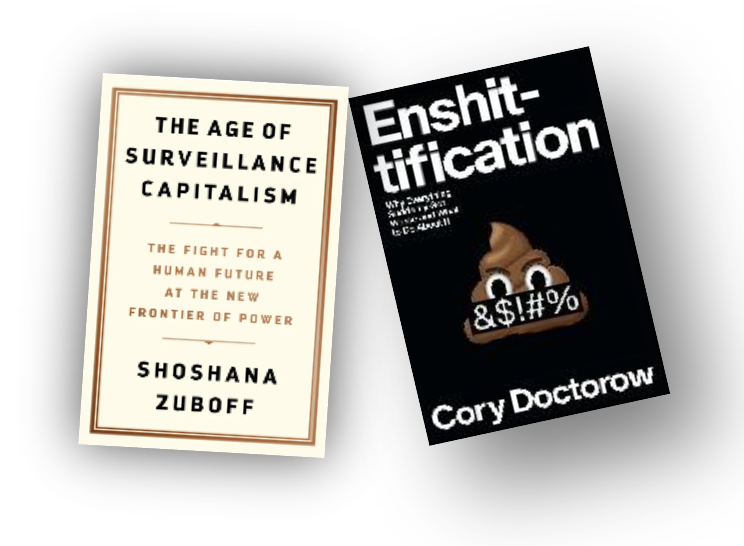 many examples in Doctorow’s book, Spotify started out as a potential solution to providing a new mechanism to curate music and pay the artists. Although it never showed any signs of providing anything more than a fraction of possible revenue for artists, it made us music fans feel as though there was some sort of cohesive platform that didn’t send us into the abyss of searching for new music and entertained the possibility that the new artist would be able to sustain a living from it. We all know that that never materialized and music became a self-promoting, self-publishing, live-performance-based process that generally renders livable wages at best, barring the pop-culture anomalies of superstardom achieved by the T-Swifts and Queen Bey’s of the world.
The public story is that mood playlists help users navigate “infinite choice,” but Pelly shows how the deeper motive was to grow Spotify’s advertising business and position it as a third pillar of digital advertising alongside Google and Facebook. Deals with big ad firms allow marketers to use listening data—tempo, energy level, skip rates, and so on—to reach people at “emotionally resonant” moments, effectively turning everyday listening into a continuous market research and ad-targeting stream. There is even a section in which Pelly describes the hiring of in-house musicians to create more library music for their targeted playlists for a small, set fee, waiving the rights to collect any additional revenue it might generate – even if the tracks DO have the artist’s name on it. Further, incorporated into those branded playlists are AI created tracks that come with an even more desirable price tag: zilch.
For someone who has been a television writer and editor, the principle of not owning intellectual property rights to your own creativity was not discovered yesterday. Nor was the resulting “blanding down” of an artform in the name of marketing. But Pelly does a very meticulous job of describing all the nuanced, technical facets of this process. I really appreciated the thoroughness. However, listening to the audio version was difficult at times, finding myself losing track of the many acronyms and organizational terms.
Fortunately, Pelly also highlights some encouraging trends, such as the growth of a “new music labor movement.” Musician unions, solidarity networks, and campaign groups have emerged to hold streaming companies accountable for low pay and opaque practices. Pelly emphasizes experiments with cooperative and community-owned platforms where artists share governance and data is not primarily monetized for advertising. She also treats Bandcamp as encouraging proof that more direct, fan-supported models can coexist with streaming and keep more value in artists’ hands.
In full disclosure, I was too impatient to wait the four months at my library to obtain the audio version, so I resorted to the most cost-efficient option: use my monthly audio book allotment that is included with my premium membership on Spotify. One last note: audio books on the platform is something that is not discussed in Mood Machine.
MediaEd Insights - March 2026 - Music Education
Opening Essay: Why Music Matters by Catherine Morris
Case Study: Making Space: The Evolving Mixtape in Romania by David Gracon
Case Study: Rock ’n’ Roll Camp for Girls: An Excerpt from "Sun Shining on Morning Snow" by Ingrid Hu Dahl
Case Study: Music, Technology, and Open Exploration by Sarah Eckerstorfer
Book Review: Spotify: Marketing "Mood" Over "Music" by Joe Rubin
Pre-recorded Webinar: In Our Media Literacy Era: Fandom, Politics, and the Power of Critical Support with foreword by Olivia Richard
Comments(0)