Case Study | MediaEd Insights | Reflections of Doctoral Students Edition | October 2026
Written by Joseph Di Vincenti
Read this blog post in English, French, and Italian! Lisez cet article de blog en anglais, en français et en italien ! Leggi questo post del blog in inglese, francese e italiano!
English | ReDMIL 2026 was, for me, an unexpectedly formative summer school. It was the first summer school I had ever attended, and it came during the first year of my PhD, at a moment when my research project was still very much under construction. For that reason, spending several days with other doctoral researchers, some at the beginning of their journey like me and others already further along, was extremely valuable. It gave me a much clearer sense of how research projects evolve over time, what kinds of difficulties emerge along the way, and how much exchanging ideas with others can help bring order to a project that is still taking shape.
One of the aspects I appreciated most was the opportunity to engage with international researchers and experts in the field of media and information literacy. The talks, workshops and discussions offered very different perspectives on the role of media literacy, its methods, its social and political implications, and the transformations brought about by digital environments. For me, this was particularly valuable because it allowed me not only to deepen my understanding of a field that I would increasingly like to connect to my own research, but also to present my project and discuss it with people bringing very different experiences and perspectives.
The value of these encounters, however, was not limited to the formal sessions. An important part of the experience emerged through spontaneous conversations with the other participants: over coffee, during a walk, at dinner, or simply between sessions. Talking with doctoral researchers from different countries and at different stages of their PhD allowed me to receive feedback not only on the content of my research, but also on the very practical challenges that are part of everyday academic life.
This is probably what surprised me most about ReDMIL. Before arriving, I had already prepared the slides for my presentation. Because I was scheduled to present my project only on the final day, however, I had several days to listen to others, discuss my ideas and exchange views informally with participants and researchers. By the end, I decided to rebuild my presentation almost from scratch. Not because the original project was “wrong,” but because the discussions at the summer school had helped me see more clearly which questions really mattered, which concepts needed to be sharpened, and how the different parts of my research could be connected more coherently.
My PhD focuses on information manipulation, generative artificial intelligence and epistemic trust in digital information environments. ReDMIL gave me the opportunity to deepen my understanding of media literacy and, more importantly, to see more clearly how my own work can engage with this field. But the learning went beyond theoretical content. Seeing how other doctoral researchers formulate their questions, delimit their objects of study, deal with methodological challenges and communicate their work gave me very concrete ideas about how to grow as a researcher.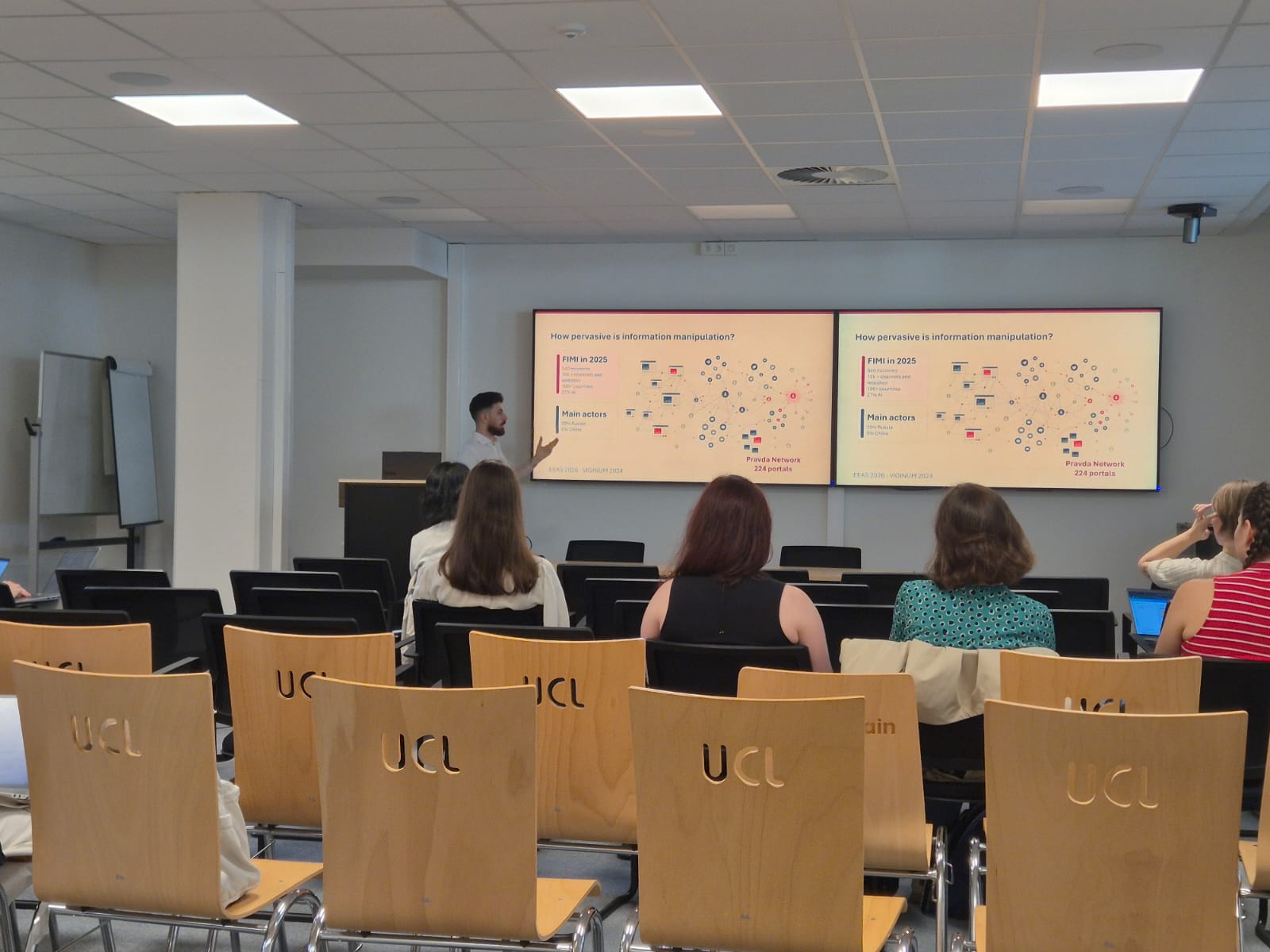
There was also a personal dimension that I value just as much. A PhD can be a very solitary form of work: much of the time is spent reading, writing and thinking alone. Spending several days with people who are going through similar experiences, but who come from very different academic and cultural backgrounds, suddenly makes that work feel much more shared.
For this reason, I am particularly grateful to the ReDMIL organising team, as well as to all the participants who helped create an environment that was open, informal and at the same time intellectually stimulating. ReDMIL left me with new contacts, new questions and many ideas to develop. Most importantly, during the very first year of my PhD, it gave me a tangible sense that I had grown as a researcher.
Français | ReDMIL 2026 a été, pour moi, une école d’été particulièrement formatrice, et ce de manière assez inattendue. C’était la première école d’été à laquelle je participais, au cours de la première année de mon doctorat, à un moment où mon projet de recherche était encore en pleine construction. Pouvoir passer plusieurs jours avec d’autres doctorants, certains au début de leur parcours comme moi et d’autres déjà plus avancés, a donc été extrêmement précieux. Cela m’a permis de mieux comprendre comment un projet de recherche évolue dans le temps, quelles difficultés peuvent apparaître en cours de route et à quel point les échanges avec les autres peuvent aider à clarifier des idées encore en développement.
L’un des aspects que j’ai le plus appr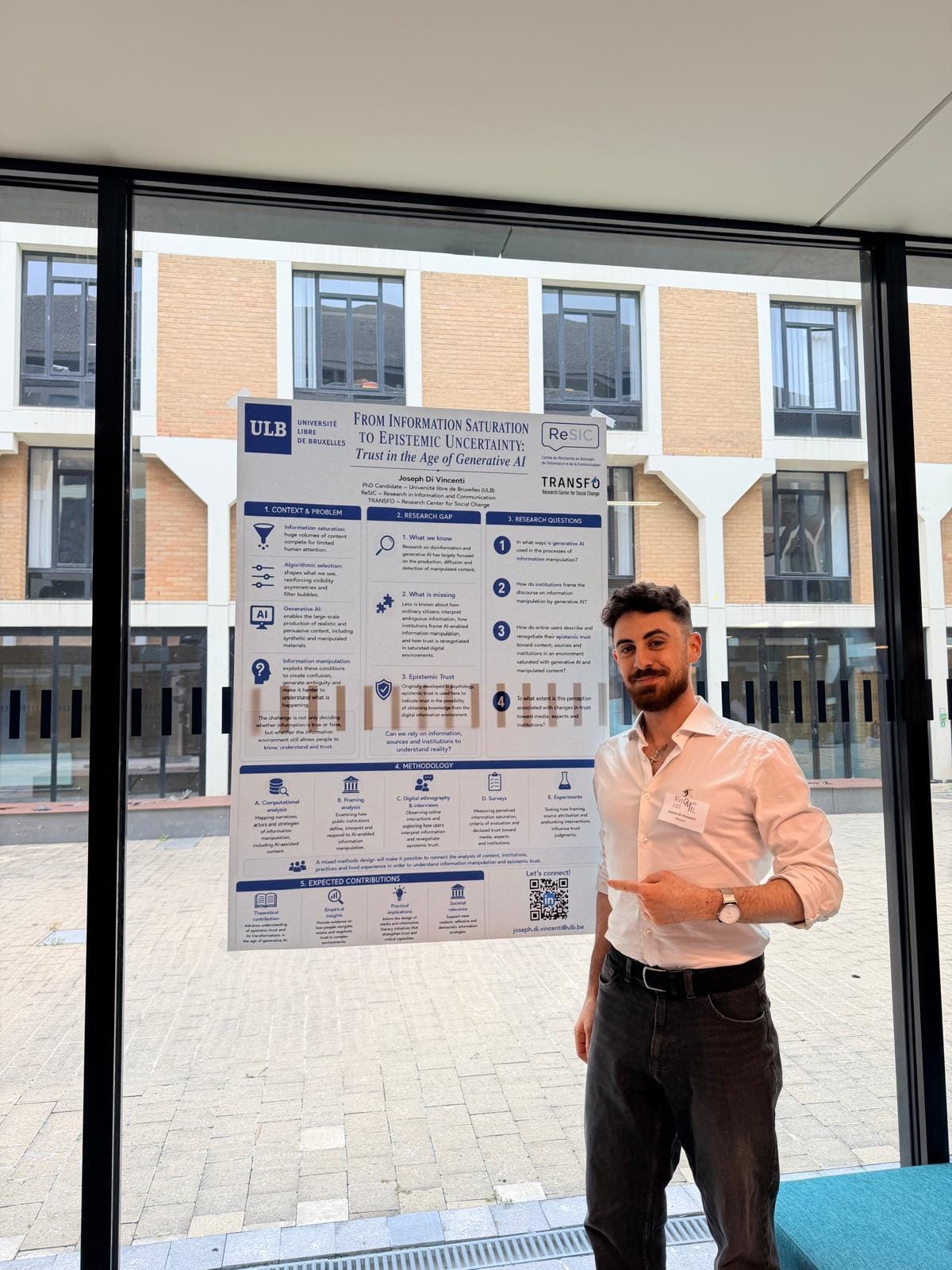 éciés a été la possibilité d’échanger avec des chercheurs et des experts internationaux dans le domaine de la littératie médiatique et informationnelle. Les conférences, les ateliers et les discussions ont proposé des perspectives très diverses sur le rôle de la littératie médiatique, ses méthodes, ses implications sociales et politiques, ainsi que sur les transformations liées aux environnements numériques. Pour moi, cette expérience a été particulièrement importante, car elle m’a permis non seulement d’approfondir un domaine que je souhaite intégrer davantage à mes recherches, mais aussi de présenter mon projet et d’en discuter avec des personnes aux expériences et aux points de vue très différents.
La valeur de ces rencontres ne s’est toutefois pas limitée aux sessions formelles. Une part importante de l’expérience est née des conversations spontanées avec les autres participants : autour d’un café, pendant une promenade, au cours d’un dîner ou simplement entre deux sessions. Échanger avec des doctorants venant de différents pays et se trouvant à des étapes variées de leur parcours m’a permis de recevoir des retours non seulement sur le contenu de ma recherche, mais aussi sur des difficultés très concrètes qui font partie du quotidien d’un chercheur.
C’est probablement ce qui m’a le plus surpris à ReDMIL. Avant d’arriver, j’avais déjà préparé les diapositives de ma présentation. Comme je ne devais présenter mon projet que le dernier jour, j’ai eu plusieurs jours pour écouter les autres, discuter de mes idées et échanger de manière informelle avec les participants et les chercheurs. À la fin, j’ai décidé de reprendre presque entièrement ma présentation. Non pas parce que mon projet initial devait être abandonné, mais parce que les discussions menées pendant l’école d’été m’avaient aidé à mieux identifier les questions réellement importantes, les concepts qui méritaient d’être précisés et la manière de relier plus clairement les différentes dimensions de ma recherche.
Mon doctorat porte sur la manipulation de l’information, l’intelligence artificielle générative et la confiance épistémique dans les environnements informationnels numériques. ReDMIL m’a permis d’approfondir considérablement ma compréhension de la littératie médiatique et, surtout, de mieux voir comment mon propre travail peut dialoguer avec ce champ de recherche. Mais l’apprentissage a largement dépassé les contenus théoriques. Observer la manière dont d’autres doctoran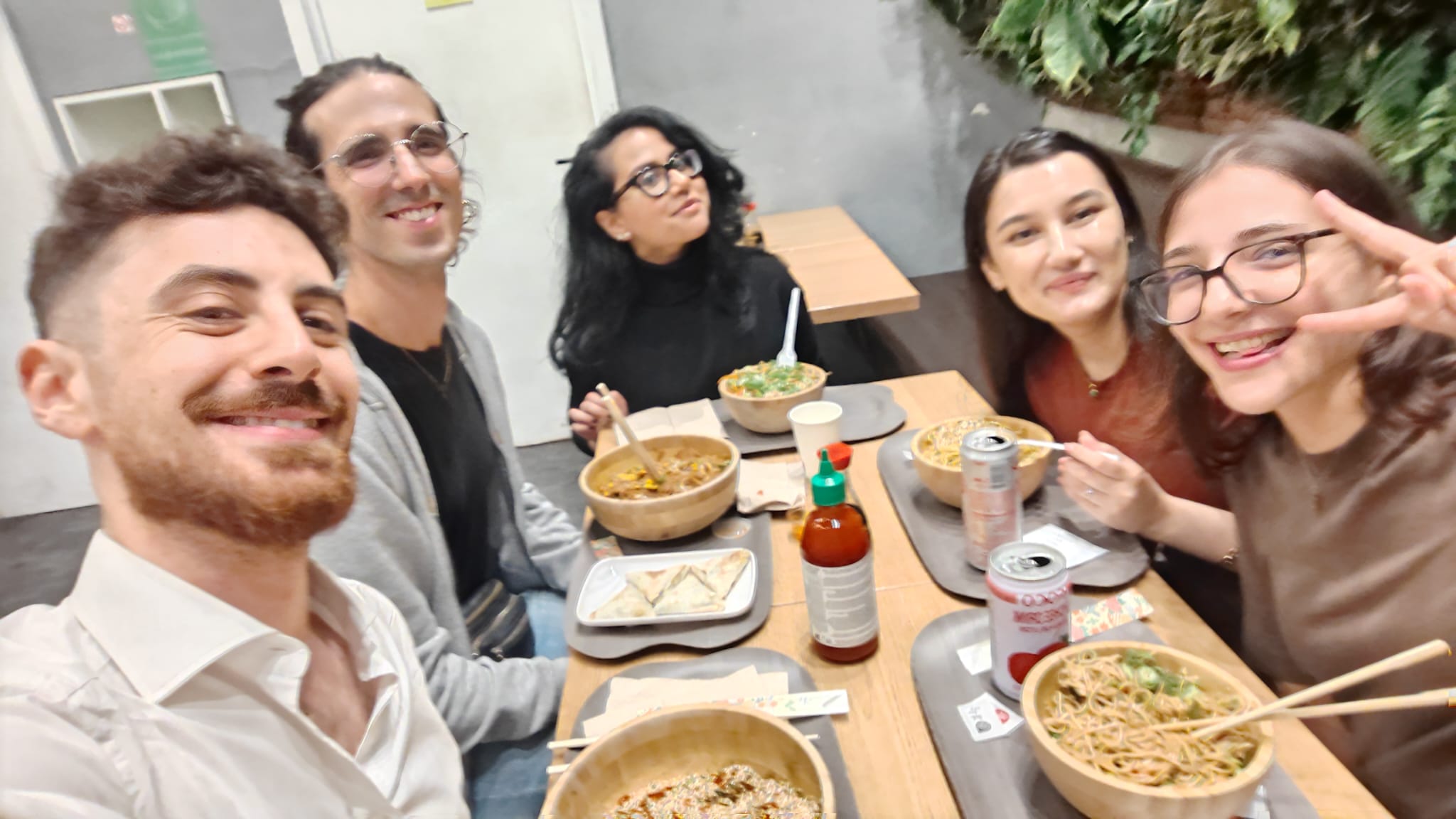 ts formulent leurs questions, délimitent leur objet d’étude, font face à des difficultés méthodologiques et présentent leur travail m’a donné des pistes très concrètes pour progresser en tant que chercheur.
Il y avait aussi une dimension plus personnelle, que je considère tout aussi importante. Le doctorat peut être une activité très solitaire : une grande partie du temps est consacrée à lire, écrire et réfléchir seul. Passer plusieurs jours avec des personnes qui vivent des expériences similaires, tout en venant de contextes académiques et culturels très différents, donne soudain à ce travail une dimension beaucoup plus collective.
C’est pourquoi je suis particulièrement reconnaissant envers l’équipe organisatrice de ReDMIL, ainsi qu’envers tous les participants qui ont contribué à créer un environnement à la fois ouvert, informel et intellectuellement stimulant. ReDMIL m’a laissé de nouveaux contacts, de nouvelles questions et de nombreuses idées à développer. Mais surtout, dès la première année de mon doctorat, cette expérience m’a donné le sentiment très concret d’avoir grandi en tant que chercheur.
Italiano | ReDMIL 2026 è stata, per me, una summer school inaspettatamente formativa. Era la prima summer school a cui partecipavo e arrivava nel primo anno del mio dottorato, in un momento in cui il progetto di ricerca era ancora in piena costruzione. Proprio per questo, avere la possibilità di trascorrere alcuni giorni con altri dottorandi, confrontarmi con chi era all’inizio del percorso come me e con chi invece era già più avanti, è stato estremamente utile. Mi ha permesso di vedere in modo più concreto come un progetto di ricerca cambia nel tempo, quali difficoltà emergono e quanto il confronto con gli altri possa aiutare a mettere ordine nelle proprie idee.
Uno degli aspetti che ho apprezzato di più è stata la possibilità di entrare in contatto con ricercatori ed esperti internazionali nel campo della media and information literacy. Le conferenze, i workshop e le discussioni hanno offerto prospettive molto diverse sul ruolo della media literacy, sui suoi metodi, sulle sue implicazioni sociali e politiche e sulle trasformazioni introdotte dagli ambienti digitali. Per me è stata un’occasione particolar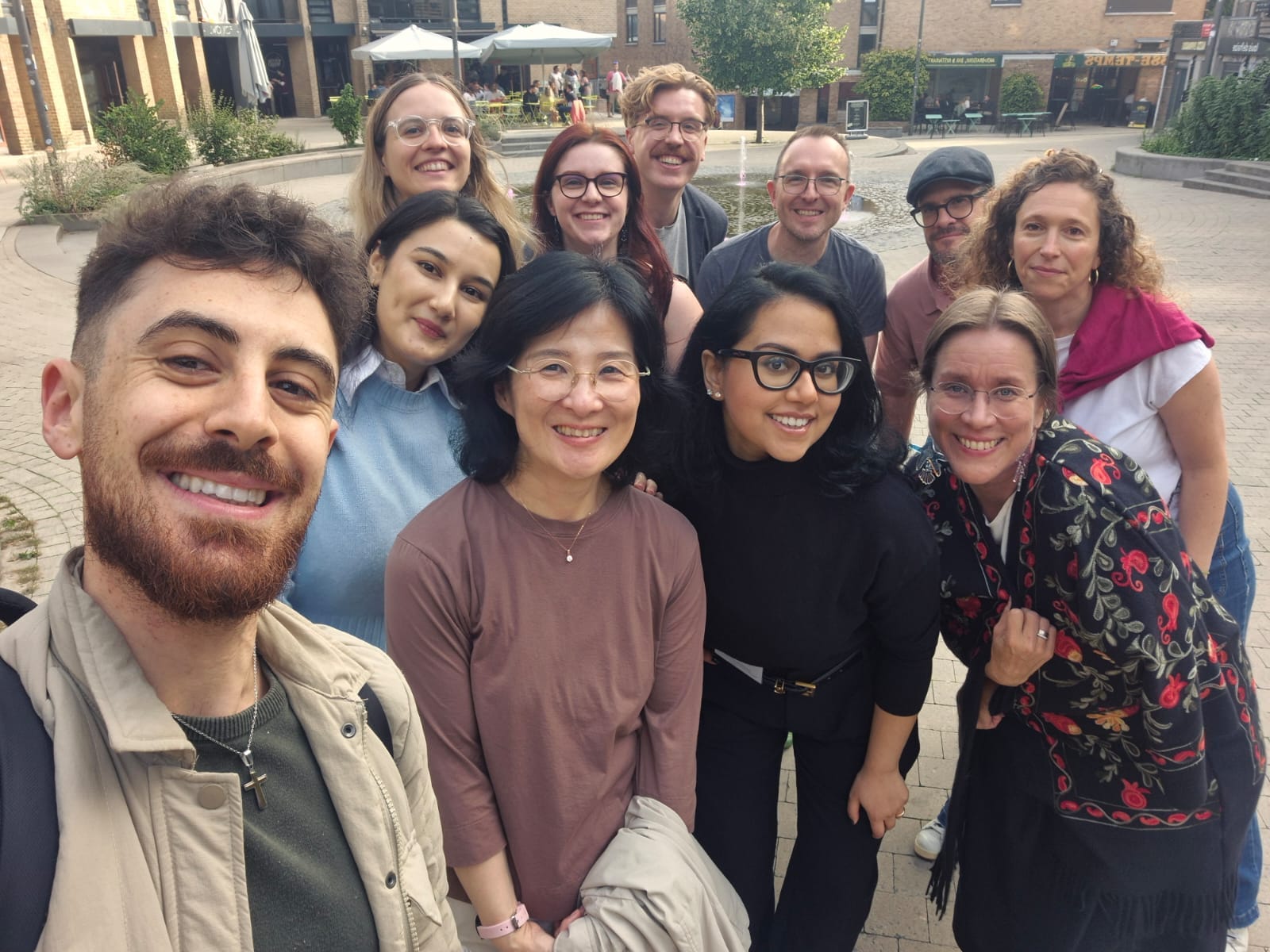 mente importante perché mi ha permesso non solo di approfondire un campo che vorrei collegare sempre di più alla mia ricerca, ma anche di presentare il mio progetto e discuterlo con persone con esperienze e prospettive molto diverse.
Il valore di questi incontri, però, non si è limitato alle sessioni formali. Una parte importante dell’esperienza è nata proprio dalle conversazioni spontanee con gli altri partecipanti: durante una pausa caffè, una passeggiata, una cena o semplicemente tra una sessione e l’altra. Confrontarmi con dottorandi provenienti da diversi paesi e in momenti differenti del loro percorso mi ha permesso di ricevere feedback non soltanto sul contenuto della mia ricerca, ma anche su problemi molto concreti che fanno parte della vita quotidiana di un ricercatore.
Ed è probabilmente questo l’aspetto che mi ha sorpreso di più. Prima di arrivare a ReDMIL avevo già preparato le slide della mia presentazione. Poiché avrei presentato il mio progetto soltanto nell’ultimo giorno, ho avuto però diversi giorni per ascoltare gli altri, discutere le mie idee e confrontarmi liberamente con partecipanti e ricercatori. Alla fine ho deciso di rifare la presentazione quasi da zero. Non perché il progetto iniziale fosse “sbagliato”, ma perché le discussioni della summer school mi avevano aiutato a capire meglio quali fossero le domande davvero importanti, quali concetti avessero bisogno di essere precisati e come collegare in modo più coerente le diverse parti della ricerca.
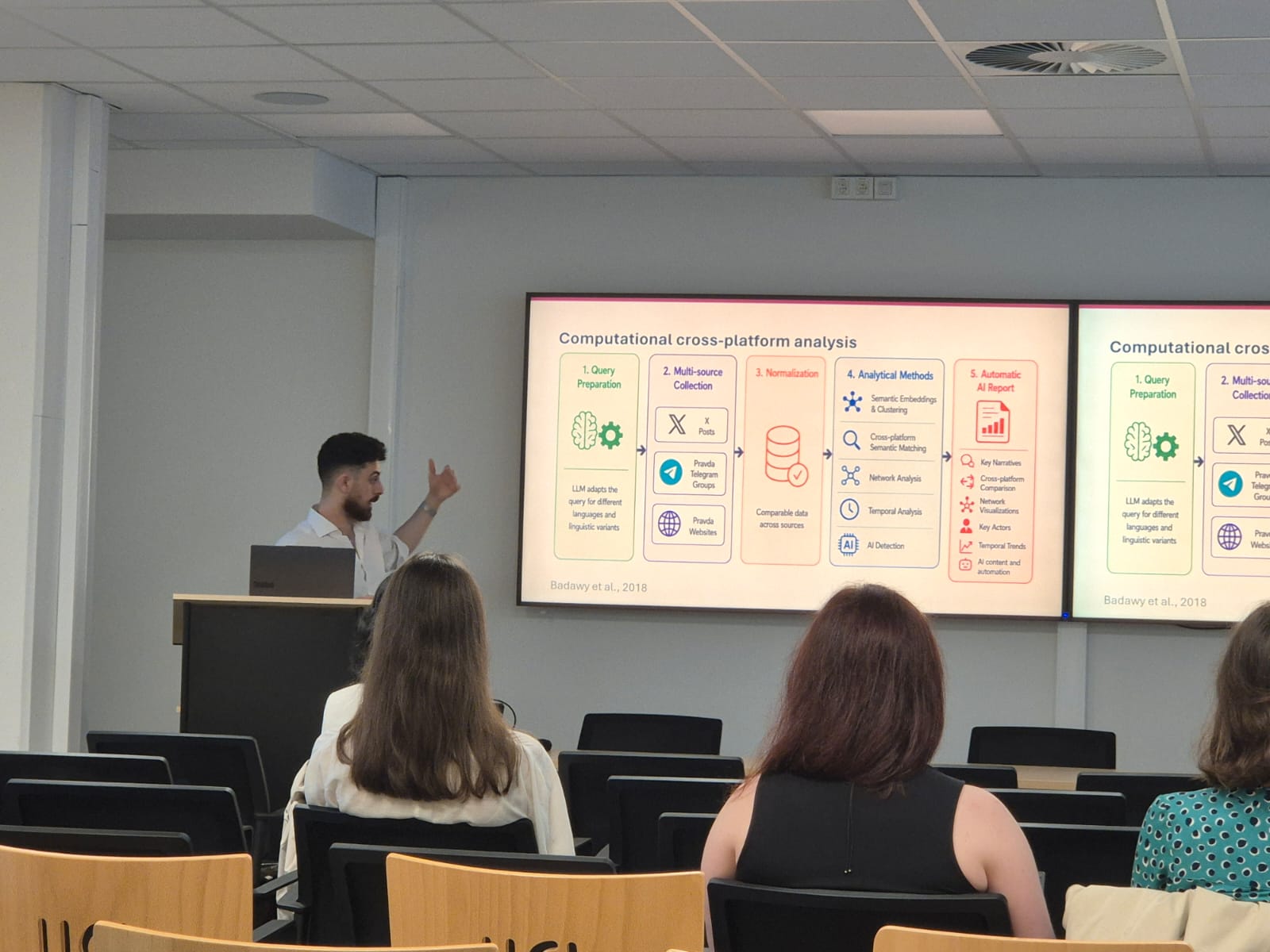
Il mio dottorato riguarda la manipolazione dell’informazione, l’intelligenza artificiale generativa e la fiducia epistemica negli ambienti informativi digitali. ReDMIL mi ha permesso di approfondire molto il tema della media literacy e, soprattutto, di capire meglio come il mio lavoro possa dialogare con questo campo. Ma l’apprendimento è andato oltre i contenuti teorici: osservare come altri dottorandi costruiscono le proprie domande, delimitano il proprio oggetto di studio, affrontano problemi metodologici e presentano il proprio lavoro mi ha aiutato concretamente a crescere come ricercatore.
C’è poi una dimensione personale che considero altrettanto importante. Il dottorato può essere un lavoro molto solitario: gran parte del tempo si legge, si scrive e si riflette da soli. Trascorrere alcuni giorni con persone che stanno vivendo esperienze simili, ma provengono da contesti accademici e culturali molto diversi, rende quel lavoro improvvisamente più condiviso.
Per questo sono particolarmente grato agli organizzatori di ReDMIL, così come a tutti i partecipanti che hanno contribuito a creare un ambiente aperto, informale e allo stesso tempo scientificamente stimolante. ReDMIL mi ha lasciato nuovi contatti, nuove domande e molte idee da sviluppare. Ma soprattutto mi ha dato, già nel primo anno del mio dottorato, una sensazione molto concreta di crescita come ricercatore.
MediaEd Insights | Reflections of Doctoral Students Edition Edition | October 2026
Opening Essay: The ReDMIL Doctoral Summer School at Ten: A supportive approach to Doctoral Research on New Literacies by Jerry Jacques and Pierre Fastrez
Case Study: The Media Literacy Melting Pot at ReDMIL Summer School by Kawtar Arahmouch
Case Study: Reflections on Creative and Critical Approaches to Digital, Media and Information Literacy at the ReDMIL Summer School by Amber Bartlett
Case Study: My Experience at RedMIL by Joseph Di Vincenti
Case Study: The Letter None of My Respondents Wrote: What a Creative Workshop at the ReDMIL Doctoral Summer School Taught Me About Sharing Research by Mariana Grépinet
Comments(0)